Mega AC Tune Up FOR $99! BOOK NOW


The Most Common Electrical Hazards Discovered in Atlanta Home Inspections
Buying a home in the Atlanta area is an exciting milestone, whether you are looking at a historic bungalow in Virginia-Highland or a modern build in Alpharetta. However, beneath the fresh paint and polished floors of many local properties lie hidden electrical issues that can compromise your safety and your investment. During the home inspection process, the electrical system is one of the most scrutinized components for good reason. Faulty wiring and outdated components are leading causes of residential fires and accidental shocks, making it essential to identify these risks before you sign the final paperwork.
In this blog, R.S. Andrews will explore the most common electrical hazards discovered in Atlanta home inspections and explain why addressing these defects is critical for your home’s safety. Understanding these common red flags will help you navigate your inspection report with confidence and ensure your new home is a safe environment for your family.
Outdated Wiring Systems: Knob and Tube and Aluminum
Atlanta is famous for its beautiful historic architecture, but these older homes often come with wiring that was never designed to handle the electrical load of a modern household. Home inspectors in the metro area frequently encounter two specific types of outdated wiring that pose significant risks to homeowners and can even make a property difficult to insure.
- Knob and Tube Wiring: Found primarily in homes built before the 1940s, this system uses porcelain knobs and tubes to run wires through the framing. The biggest hazard here is that the rubberized cloth insulation becomes brittle and flakes off over time, leaving bare wires exposed. Furthermore, this system is ungrounded and cannot safely support modern appliances or electronics.
- Aluminum Wiring: Popular during the mid-1960s to the mid-1970s due to the high cost of copper, aluminum wiring is a major concern in many Atlanta suburbs. Aluminum expands and contracts more than copper does when heated. This leads to loose connections at outlets and switches, which can cause “arcing” and potentially start a fire inside the walls.
- The Insulation Hazard: Many older homes have had blown-in insulation installed in the attic. When this insulation covers old knob and tube wiring, it prevents the wires from dissipating heat. This creates a high risk of internal combustion that can smolder undetected for hours.
If an inspection reveals these materials, it is often a sign that a full or partial rewiring is necessary to meet current safety codes and secure a standard homeowners’ insurance policy.
The Danger of Overcrowded Electrical Panels
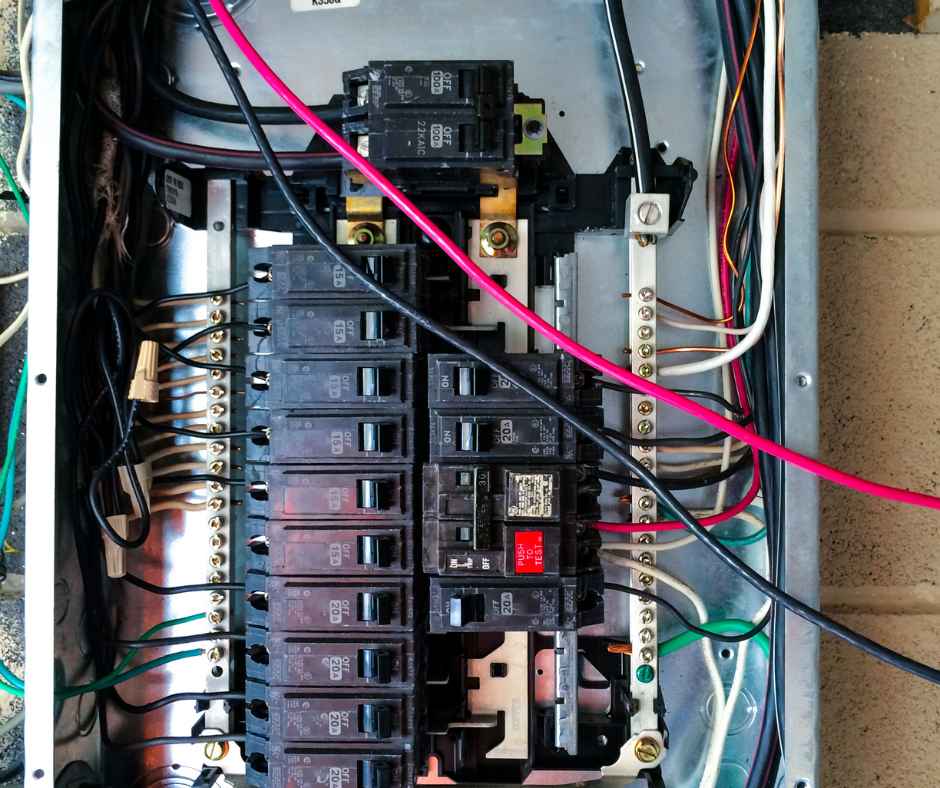
The electrical panel is the heart of your home’s electrical system. It is responsible for distributing power and, more importantly, cutting it off if a circuit becomes overloaded. In many Atlanta homes, inspectors find that these panels have been pushed beyond their intended limits. This often happens as homeowners add new features like hot tubs, finished basements, or electric vehicle chargers without upgrading the main service.
- Double-tapping: This is one of the most common citations in a home inspection report. It occurs when two separate wires are connected to a single-pole breaker designed for only one. This creates a loose connection that can lead to overheating, arcing, and fire.
- Overcrowding and “Slop”: When a panel is packed with too many wires, it becomes difficult for heat to escape. Inspectors look for signs of “slop,” or messy wiring, which can lead to crossed circuits and make future maintenance dangerous for an electrician.
- Corrosion and Moisture: Because many electrical panels in Georgia are located in garages or basements, they are susceptible to the region’s high humidity. Inspectors check for rust or “white powder” corrosion on the bus bars, which can prevent breakers from tripping when they should.
- Recalled Panels: Certain brands, such as Federal Pacific Electric (FPE) and Zinsco, are commonly found in older Atlanta neighborhoods. These brands are notorious for failing to trip during a surge and are often flagged for immediate replacement by inspectors.
An overcrowded or defective panel is more than just a nuisance that causes tripped breakers; it is a fundamental safety failure that leaves your home unprotected against electrical surges.
Missing or Faulty GFCI and AFCI Protection
Modern building codes have introduced specific safety devices designed to prevent two distinct types of electrical disasters: electrocution and house fires. During an Atlanta home inspection, the absence or failure of these devices is a very common finding, especially in homes that have not been renovated in the last decade.
- GFCI (Ground Fault Circuit Interrupter): These are outlets with “Test” and “Reset” buttons. They are required in any area with moisture, such as kitchens, bathrooms, garages, and outdoor spaces. A GFCI monitors the flow of electricity and shuts off power in milliseconds if it detects a leak (a ground fault), which could otherwise cause a fatal shock. Inspectors frequently find that these have either not been installed or have “dead” internal components that no longer trip.
- AFCI (Arc Fault Circuit Interrupters): While GFCIs protect people from shocks, AFCIs protect homes from fires. They are designed to detect a dangerous electrical arc, such as a loose wire behind a wall or a frayed cord, and shut down the circuit before it can generate enough heat to start a fire.
- Code Compliance Gaps: Many older Atlanta properties were built before these requirements were in place. However, inspectors will still flag their absence as a safety hazard because modern living demands the higher level of protection these devices provide.
Ensuring these protections are in place and functioning is one of the most cost-effective ways to improve a home’s safety profile before moving in.
Improper Grounding and Open Junction Boxes
Electrical grounding is a safety measure that provides a backup path for electricity to reach ground if a fault occurs in the system. Without proper grounding, anyone touching a faulty appliance or switch could become the path to the ground, resulting in a severe electric shock.
- Ungrounded “Three-Prong” Outlets: A common discovery in older Atlanta homes is the presence of three-prong outlets that are not actually grounded. Homeowners often replace old two-prong outlets with modern three-prong versions to accommodate their electronics without actually running a ground wire. An inspector uses a circuit tester to identify these “open grounds,” which can damage sensitive equipment and pose a safety risk.
- Open Junction Boxes: A junction box is a protective housing where wire connections (splices) are made. For safety and fire prevention, these boxes must be covered. Inspectors frequently find “open” boxes in attics or crawlspaces where wires are twisted together with electrical tape and left exposed.
- Exposed Wire Splices: Sometimes, connections are made without a box. These “flying splices” are a major violation of the National Electrical Code. If a wire nut comes loose or a wire overheats, the resulting spark has nowhere to go, which can easily ignite nearby insulation or wood framing.
- Loose Grounding Rods: On the exterior of the home, the system must be connected to a physical grounding rod driven into the earth. Inspectors check to ensure the copper wire is securely clamped to this rod and that the rod hasn’t been damaged or disconnected by landscaping work.
These issues are often the result of “handyman” repairs or DIY projects that did not follow professional safety standards. While they may seem minor, they represent significant gaps in the home’s defensive electrical grid.
Reverse Polarity and Faulty DIY Repairs
One of the most frequent issues found during an Atlanta home inspection is reverse polarity. This occurs when the hot and neutral wires are connected to the wrong terminals on an outlet or light fixture. While a lamp or appliance might still appear to work normally under these conditions, the device’s safety mechanism is bypassed. If a short circuit occurs in a device connected to a reversed outlet, the internal components can remain energized even when the power switch is off, creating a significant shock hazard.
Beyond polarity issues, inspectors often uncover the results of well-intentioned but dangerous DIY electrical work. Atlanta’s vibrant housing market often sees homes that have been “flipped” or renovated quickly, sometimes without the help of a licensed professional.
- Improper Wire Connections: DIYers often use the wrong size wire nuts or fail to secure connections inside a proper box. These loose connections generate heat every time an appliance is turned on, which can eventually lead to a fire.
- Over-fusing the Circuit: This occurs when a homeowner replaces a 15-amp breaker with a 20-amp breaker because the circuit keeps tripping. This is incredibly dangerous because the existing wiring is likely not rated for the higher current. The wire will overheat and melt its insulation before the breaker ever trips.
- Missing Cable Clamps: Where electrical cables enter a metal box or a panel, they must be secured with a clamp. Without these, the sharp edges of the metal can cut into the wire insulation over time due to natural vibrations in the home.
- Use of Extension Cords as Permanent Wiring: Inspectors frequently find extension cords run through walls or ceilings to power lights or garage door openers. These cords are not rated for permanent use and can easily overheat when hidden behind drywall.
These “hidden” defects are often a surprise to the seller and a major concern for the buyer. They serve as a reminder that electrical work is never a hobby and should always be handled by a qualified technician.
Professional Solutions: How R.S. Andrews Can Help
When a home inspection report lists electrical “defects,” it can feel overwhelming for both the buyer and the seller. However, most of these issues are common for our experienced team and can be resolved quickly to ensure the sale proceeds and the home is safe for occupancy. At R.S. Andrews, we specialize in providing the professional remediation required to bring Atlanta homes up to modern safety standards.
- Detailed Electrical Safety Audits: While a home inspector provides a general overview, our licensed electricians perform a deep dive. We can verify the extent of issues such as aluminum wiring or ungrounded circuits and provide a clear, prioritized repair plan.
- Panel Upgrades and Replacements: If your inspection reveals a recalled Federal Pacific panel or an overloaded system, we can perform a full panel upgrade. This not only resolves the safety hazard but also increases your home’s capacity for modern electronics and high-power appliances.
- Code Correction and Permitting: Electrical codes are constantly evolving. We ensure that every repair, from installing GFCI outlets to fixing “double-tapped” breakers, is performed strictly in accordance with the National Electrical Code (NEC). We handle all necessary permits and inspections, so you have documented proof of compliance.
- Whole-Home Rewiring: For historic homes with knob and tube wiring, we offer comprehensive rewiring services. We use modern, grounded copper wiring to bring your vintage property into the 21st century without damaging its historic character.
- Point-of-Sale Repairs: We understand that real estate transactions move fast. Our team is accustomed to working with homeowners and real estate agents to complete inspection-related repairs on a tight schedule, helping you reach the closing table without delay.
By choosing a professional service, you transform a list of hazards into a certified safe electrical system. This provides peace of mind that no DIY patch or “handyman” fix can offer.
Securing Your Atlanta Home’s Future
An electrical inspection is more than just a hurdle to clear during a real estate transaction. It is a vital safety check that protects your family and property from the invisible dangers posed by faulty wiring and outdated components. Whether you are dealing with the legacy of knob and tube wiring in a historic home or the DIY mistakes of a previous owner, these hazards should never be ignored. Identifying these issues early allows you to make informed decisions and ensures that your new home is as safe as it is beautiful.
Working with a qualified professional is the only way to guarantee that electrical repairs meet the highest safety standards. By addressing inspection findings with precision and expertise, you can move into your new home with total confidence in its electrical integrity. Contact R.S. Andrews today to schedule a professional electrical evaluation and ensure your Atlanta home is safe and code-compliant.
Frequently Asked Questions
Does a home inspector check every outlet in the house?
Typically, a home inspector will check a representative number of outlets rather than every single one. They look for proper grounding, proper polarity, and GFCI protection in required areas. If they find consistent issues in a few outlets, they will often recommend a full evaluation by a licensed electrician.
Is aluminum wiring always a reason to walk away from a home purchase?
Not necessarily. While aluminum wiring is a serious concern, it can often be made safe using specialized connectors (like COPALUM) or by pig-tailing the connections with copper. However, it is essential to have a licensed electrician evaluate the system to determine the safest and most cost-effective path forward.
Why is “double-tapping” such a big deal if the power is still on?
Even if the power works, a double-tapped breaker creates a loose connection. This causes heat to build up at the terminal, which can melt the wire insulation and eventually lead to an electrical fire. It is a simple fix for a professional but a dangerous hazard if left unaddressed.
How can I tell if a three-prong outlet is actually grounded?
The only reliable way to tell is by using a plug-in circuit tester. This small device has a series of lights that indicate whether the outlet is wired correctly or if it has an “open ground.” If you discover ungrounded three-prong outlets, they should be replaced or rewired immediately.
What is the difference between a fuse box and a circuit breaker panel?
Fuses and circuit breakers both perform the same basic function of stopping excess current. However, fuses must be replaced when they “blow,” while breakers can simply be reset. Most home inspectors will flag old fuse boxes as outdated because they were not designed for the electrical demands of modern homes and can be easily bypassed by using the wrong fuse size.
Heater on the fritz? Frustrated with plumbing problems? R.S. Andrews is just a call away!