Mega Furnace Tune Up FOR $99! BOOK NOW


Why Atlanta’s Older Homes Face Hidden Plumbing Issues in Winter Months
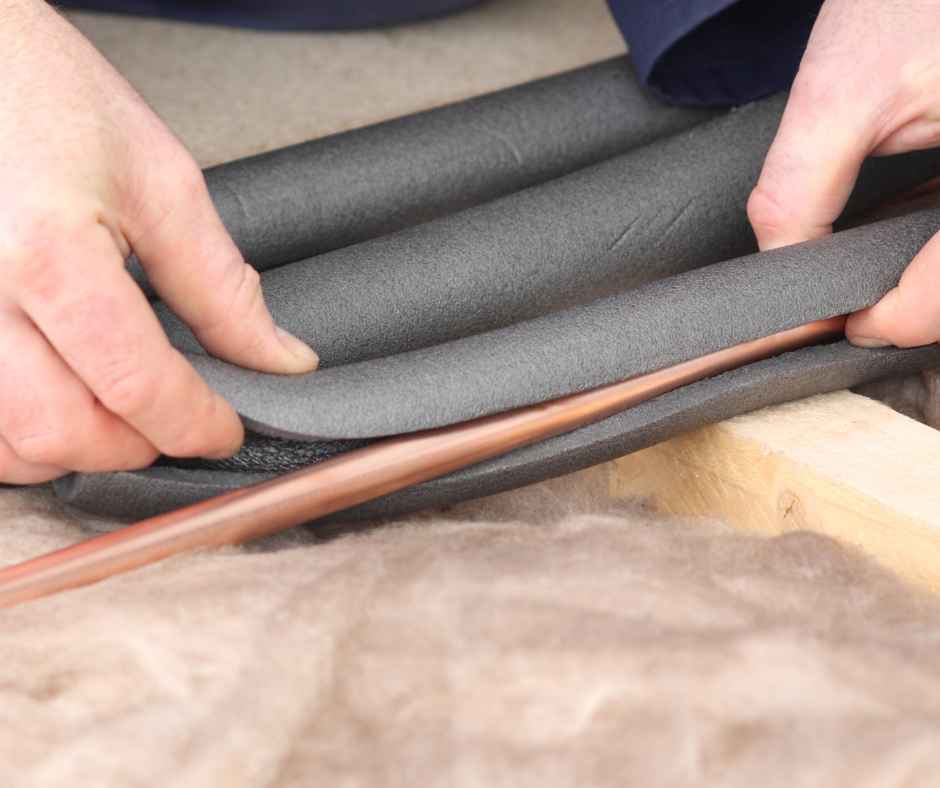
Atlanta is home to many beautiful historic neighborhoods, but the charm of older homes often comes with aging plumbing systems that face added pressure during the winter months. Even though Atlanta’s winters are milder than in many northern states, temperature swings, cool nights, and increased seasonal water demand can reveal plumbing problems that remain hidden during warmer seasons. Small issues inside older pipes, joints, and fixtures can quickly turn into noticeable trouble once winter arrives.
In this blog, we will explain why older homes in Atlanta are more vulnerable to hidden plumbing issues during winter and what signs homeowners should watch for. Understanding these risks helps protect your home from costly damage and ensures your plumbing system operates smoothly throughout the colder months.
Why Older Plumbing Systems Struggle in Atlanta’s Winter Weather
Older plumbing systems often react poorly to winter conditions because the materials and fittings inside these homes have already endured decades of wear. Even though Atlanta does not experience extreme winter temperatures, the rapid shifts between warm days and cold nights create stress that aging pipes are not always able to handle. These fluctuations cause expansion and contraction, which weakens older joints, seals, and pipe connections.
Many historic homes in Atlanta still contain original plumbing materials that are far more vulnerable to winter stress. Pipes made from galvanized steel, cast iron, or polybutylene are more likely to corrode, crack, or leak as temperatures drop. In addition, older homes tend to have more complex plumbing layouts, which increases the number of areas where hidden problems may develop.
Winter also brings increased water use inside the home. Hot showers, dishwashing, and laundry all place extra demand on plumbing systems. When older pipes are already worn, these everyday activities can reveal issues that go unnoticed during milder months.
All of these factors make winter a prime time for plumbing issues to surface in Atlanta’s older homes. Understanding these seasonal challenges helps homeowners prepare and act quickly when warning signs appear.
Hidden Pipe Damage That Only Shows Up in Colder Months
Older homes in Atlanta often have plumbing damage that remains hidden until winter temperatures bring it to the surface. As pipes contract in cooler weather, small weaknesses that went unnoticed during warmer months begin to reveal themselves. Tiny cracks, worn fittings, and deteriorated seals may start leaking once the metal contracts or pressure inside the pipes increases.
Cold weather also slows down water flow, which can expose buildup, corrosion, or partial clogs that have been developing for years. When water moves more slowly through aging pipes, it places extra strain on weakened areas. This can lead to dripping joints, low water pressure, and water discoloration that only appear during colder months.
Common winter-related hidden issues include:
- Hairline cracks turning into small leaks
- Joint connections loosening under pressure
- Corrosion spreading inside older metal pipes
- Partial blockages becoming full clogs
- Water stains appearing in ceilings or walls after cool nights
Because these problems often start small, homeowners may not notice them right away. By the time symptoms appear, the underlying damage may be more serious. Regular plumbing inspections help identify hidden issues before winter makes them worse.
Galvanized and Polybutylene Pipes in Older Atlanta Homes
Many older homes in Atlanta still have galvanized steel or polybutylene plumbing, and both materials are known for winter-related issues. Galvanized pipes corrode from the inside over time, causing rust buildup, restricted water flow, and weakened pipe walls that are more likely to leak during cold weather. Polybutylene pipes, common in homes built from the late 1970s through the mid-1990s, are prone to cracking, splitting, and chemical deterioration.
These pipe materials often show problems only when temperatures drop. Cold water entering the system increases pressure inside older pipes, and aging materials cannot always handle the stress. Homeowners may notice discolored water, sudden drops in pressure, or small leaks appearing near joints.
Signs you may have outdated pipe materials include:
- Blue, gray, or dull metal pipes in older basements
- Flakes of rust in faucet aerators
- Frequent low pressure or inconsistent flow
- Unexplained water stains near plumbing lines
Replacing outdated materials is one of the best ways to prevent winter plumbing issues and protect your home from unexpected leaks.
Poor Insulation and Exposed Pipes in Historic Homes
Older homes in Atlanta often have insufficient insulation, especially in crawl spaces, basements, attics, and exterior walls. These areas allow cold air to reach plumbing lines more easily, increasing the risk of winter-related pipe problems. Even though Atlanta winters are mild, a few cold nights are enough to stress exposed or poorly insulated pipes.
Many historic homes also have plumbing routed through unconditioned spaces. When temperatures drop overnight, these pipes cool quickly and contract, which can reveal cracks, loosen joints, or create slow leaks that homeowners may not notice right away.
Common insulation-related trouble spots include:
- Pipes running along exterior walls
- Uninsulated basement ceilings
- Attic plumbing lines near roof vents
- Plumbing in older crawl spaces with open air access
Adding insulation around vulnerable pipes and sealing gaps that allow cold air inside can prevent many of these winter issues. Even simple upgrades can help older plumbing systems handle seasonal temperature changes more reliably.
Aging Sewer Lines and Winter Ground Shifts
Older sewer lines in Atlanta can develop hidden problems during winter due to ground movement and long-term material wear. Even small temperature changes cause the soil to expand and contract, which puts pressure on aging sewer pipes. Over time, this movement can create cracks, separations, or weak spots that become noticeable only in colder months.
Homes surrounded by mature trees face an added risk. Tree roots naturally seek moisture and can enter older clay or cast iron sewer lines through tiny openings. Winter ground shifts can widen these entry points, allowing roots to grow deeper into the pipe and cause significant blockages.
Warning signs that sewer issues are developing include:
- Slow drains throughout the home
- Gurgling noises from toilets or tubs
- Foul odors near drains or in the yard
- Wet or sunken patches in the lawn
Because sewer line damage often happens underground, homeowners may not realize there is a problem until winter symptoms appear. Regular inspections and early detection help prevent major backups during the coldest months.
Water Heater Strain in Older Homes During Winter
Winter often puts extra stress on water heaters, especially in older Atlanta homes with units that are aging or overdue for maintenance. As temperatures drop, water entering the system is colder, which forces the heater to work harder to warm it. This increased workload exposes issues such as sediment buildup, weakened heating elements, or failing thermostats.
Older water heaters are also more prone to leaks during winter. Changes in temperature can cause metal tanks to contract, creating small cracks or expanding existing weak points. Homes may experience reduced hot water supply, fluctuating temperatures, or unusual noises coming from the unit.
Common winter-related warning signs include:
- Water taking longer to heat
- Rumbling or popping sounds from the tank
- Discolored water from rust or sediment
- Leaks forming around the base of the unit
Addressing these issues early helps prevent sudden breakdowns and ensures consistent hot water throughout the winter season.
Warning Signs Atlanta Homeowners Should Watch For
Winter tends to reveal plumbing issues that stayed hidden during warmer months. Paying attention to early signs can help Atlanta homeowners catch problems before they turn into costly repairs. Even small changes in water flow, temperature, or noise levels can signal trouble in an older plumbing system.
Common winter warning signs include:
- Sudden drops in water pressure
- Unexplained water stains on walls or ceilings
- Noisy pipes, especially banging or rattling sounds
- Discolored water coming from faucets
- Slow drains in multiple areas of the home
- Hot water running out faster than usual
- Foul odors coming from drains or plumbing fixtures
These problems often indicate deeper issues such as hidden leaks, pipe corrosion, sewer blockages, or a struggling water heater. Taking action early and scheduling an inspection can prevent winter plumbing emergencies and protect the long-term health of your home.
Protect Your Atlanta Home from Winter Plumbing Surprises
Older homes in Atlanta bring character and charm, but their plumbing systems often face challenges that become more noticeable in the winter months. Aging pipes, outdated materials, poor insulation, ground movement, and increased seasonal demand all create conditions where hidden issues can surface quickly. By understanding these risks and watching for the warning signs, homeowners can take proactive steps to prevent costly repairs and protect their property.
If you suspect your older home may have hidden plumbing issues or want expert help preparing for the colder months, the team at R.S. Andrews is ready to assist. Our licensed professionals can inspect your system, identify potential problems, and provide reliable solutions that keep your plumbing working smoothly all winter long. For trusted service and expert care, contact us today.
Frequently Asked Questions
Are older Atlanta homes more likely to develop winter plumbing leaks?
Yes. Aging materials, worn pipe joints, and outdated plumbing systems make older homes more vulnerable to leaks when temperatures fluctuate in winter.
How often should plumbing in an older home be inspected?
Most older homes benefit from an annual inspection, especially before winter. Homes with known plumbing issues or outdated materials may need more frequent checks
Can mild Atlanta winters still cause pipes to freeze?
Yes. Even short cold snaps can freeze exposed pipes, particularly in crawl spaces, basements, and exterior walls of older homes.
Why does my water pressure drop when the weather gets colder?
Cold weather can cause older pipes to contract or highlight existing corrosion, which restricts flow and results in lower water pressure.
How can I tell if my sewer line is being affected by winter ground shifts?
Watch for multiple slow drains, gurgling sounds, foul odors, or wet patches in the yard. These are common signs of sewer line stress or blockages.

Heater on the fritz? Frustrated with plumbing problems? R.S. Andrews is just a call away!