Mega Furnace Tune Up FOR $99! BOOK NOW


Why Atlanta Homes Heat Up Faster in the Evenings Than Homes in Other Southern Cities
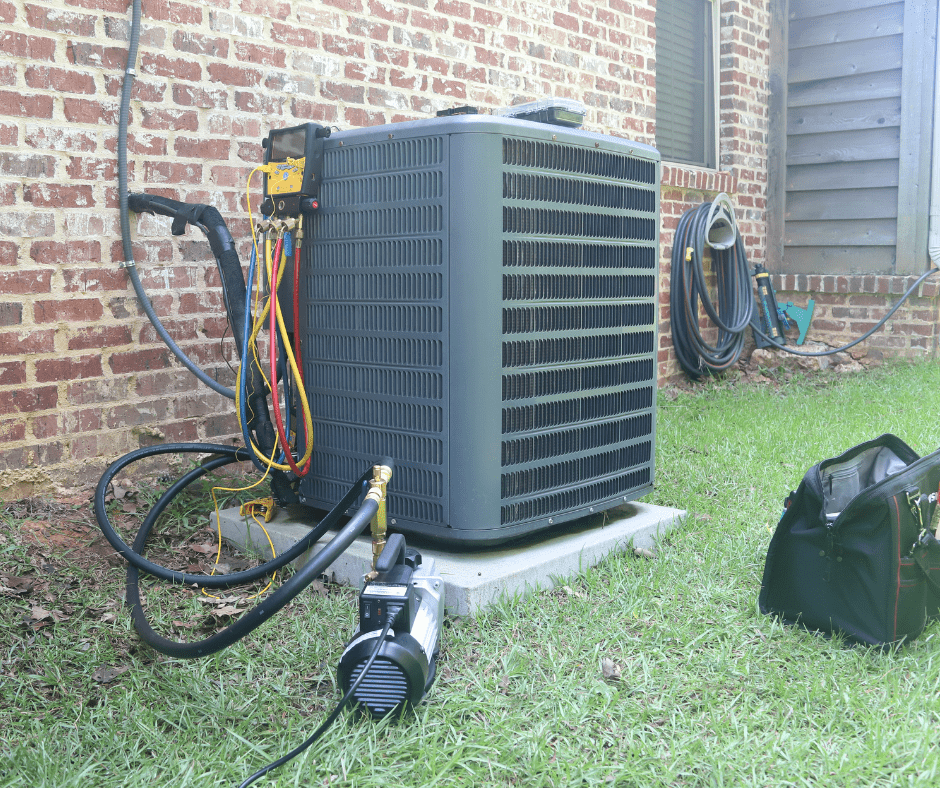
If you have lived in Atlanta for even one summer, you are likely familiar with a frustrating phenomenon: the sun begins to set, the sky turns a beautiful orange, but the temperature inside your home suddenly feels higher than it did at noon. While coastal cities like Savannah or Charleston often benefit from a cooling sea breeze as evening approaches, Atlanta residents frequently experience a stifling heat that seems to cling to the walls of their homes long after dark. This is not just your imagination; there are specific geographical and architectural factors that cause Atlanta houses to retain and even intensify heat during the twilight hours.
In this blog, we will explore the unique combination of the Urban Heat Island effect, local topography, and home construction styles that make Atlanta evenings particularly challenging for your air conditioning system.
The Urban Heat Island Effect: Why Atlanta Stays Hotter Longer
Atlanta is famously known as the “City in a Forest,” but beneath that lush green canopy lies a massive network of asphalt, concrete, and steel. This infrastructure is the primary driver of the Urban Heat Island effect, a phenomenon where metropolitan areas remain significantly warmer than their rural surroundings. During the peak of a Georgia summer day, the roads and buildings across the metro area absorb an incredible amount of solar radiation. While rural areas begin to shed heat as soon as the sun dips, Atlanta’s hard surfaces act like a thermal battery.
As evening arrives, these surfaces release the stored energy back into the atmosphere. This creates a “dome” of warm air that prevents the typical nighttime cooling seen in other regions. For a homeowner, this means that even though the sun is down, the air surrounding your house remains hot and stagnant. Your air conditioner is forced to fight against a constant “radiant heat” coming from the driveway, the street, and even your neighbor’s walls. This is a significant reason Atlanta homes often experience a second surge of heat just as the workday ends.
- Heat Storage: Concrete and asphalt can absorb up to 90% of solar radiation during the day.
- Re-radiation: The release of this energy is slow, often peaking between 6:00 PM and 9:00 PM.
- Air Stagnation: The dense urban layout can block the natural movement of air, trapping heat near the ground level.
Topography and the “Piedmont Trap”: Lack of Coastal Breezes
One of the most significant reasons Atlanta remains sweltering while other Southern cities cool down is our position on the Piedmont plateau. Cities like Savannah, Charleston, or even Mobile, Alabama, benefit from a natural phenomenon known as the sea breeze cycle. As the land cools in the evening, the temperature differential between the ocean and the coast creates a consistent air movement that flushes out the day’s heat. Because Atlanta is situated nearly 250 miles inland and at a much higher elevation, we lack the natural air conditioning that comes with lower elevations.
Instead of a refreshing breeze, Atlanta often experiences what meteorologists refer to as air stagnation. The rolling hills of the Piedmont region can actually trap warm, moist air in the valleys and basins where many of our residential neighborhoods are located. Without a large body of water to regulate the local climate, there is no thermal engine to pull the hot air away from your home. This “Piedmont Trap” ensures that the humidity and heat gathered during the afternoon stay locked in place, forcing your HVAC system to work much harder to achieve the same cooling effect that a coastal home gets for free.
- Elevation Factors: Atlanta sits at roughly 1,000 feet above sea level, which influences how air pressure and temperature interact during the evening transition.
- Inland Positioning: Our distance from the Atlantic and the Gulf means we are subject to continental air masses that retain heat longer than coastal air.
- Stagnant Air Pockets: Local neighborhoods with dense tree cover can trap humidity near the ground, preventing the “flushing” of warm air.
The Role of “Thermal Mass” in Georgia Home Construction
Beyond the atmosphere and the topography, the physical materials used to build Atlanta homes play a starring role in the evening heat surge. Many classic homes in neighborhoods like Buckhead, Virginia-Highland, and Morningside feature heavy brick or stone exteriors. While these materials are valued for their durability and timeless aesthetic, they possess a high “thermal mass.” This means they are highly efficient at absorbing solar heat and retaining it for several hours. This creates a phenomenon known as “thermal lag.”
During the day, your brick exterior absorbs solar energy. Because brick is dense, it takes a long time for that heat to travel from the outside of the wall to the inside. Unfortunately, the timing of this transfer often aligns perfectly with the sunset. As the outside air begins to cool, the day’s heat finally finishes its journey through your walls and begins radiating into your living room and bedrooms. This is why a brick home can feel like an oven at 8:00 PM even if the air conditioner has been running all afternoon.
- Attic Heat Traps: Your roof is another major contributor to evening heat. Asphalt shingles can reach temperatures exceeding 140 degrees. Without proper ventilation, this heat is trapped in your attic and begins to radiate downward through your ceiling long after the sun goes down.
- The Insulation Barrier: If your insulation is old or settled, it cannot effectively stop the radiant heat from your attic and walls. This forces your AC to fight a battle on two fronts: the outdoor temperature and the heat being “leaked” from your own building materials.
- Window Exposure: Western-facing windows in Atlanta are particularly troublesome. The low angle of the evening sun strikes these glass surfaces directly, bypassing your home’s thermal mass and heating the interior air instantly.
Why Standard AC Settings Often Fail Atlanta Evenings
Many homeowners believe a set-and-forget thermostat approach is the most efficient way to manage their home comfort. However, the unique evening heat spike in Atlanta often renders standard settings ineffective. Because the temperature stays elevated well into the night, a traditional air conditioning system can get “behind” the cooling demand. If your thermostat is set to a higher daytime temperature to save energy, it may struggle to overcome the combined effects of high outdoor humidity and radiant heat from your home’s brick or stone exterior.
In many Southern cities, humidity drops slightly as temperatures fall, but in Atlanta, moisture often remains trapped under the tree canopy. Standard HVAC systems are designed to remove a specific amount of moisture per hour. When the evening heat surge hits, the air is not just hot; it is heavy with water vapor. If your system is not optimized for this specific load, it may satisfy the temperature setting on the thermostat while leaving the air feeling “clammy” or uncomfortable. This often prompts homeowners to lower the temperature further, which places undue strain on the compressor and can cause frozen coils or mechanical failure.
- The Latent Heat Challenge: In the evening, your AC has to work harder to remove “latent heat” (moisture) than “sensible heat” (temperature).
- HVAC Short-Cycling: If your system is oversized or poorly calibrated, it may turn off before it has successfully dehumidified your living space, making the evening heat feel more intense.
- Sensor Misplacement: Thermostats located near western-facing walls or in hallways with stagnant air may not accurately reflect the heat buildup in your main living areas during the evening surge.
Strategic Solutions to Combat the Evening Heat Surge
To stay comfortable during the Atlanta evening heat spike, you need more than just a powerful air conditioner; you need a strategy that addresses the specific physics of our local environment. Combating the combination of thermal mass and stagnant air requires a multi-layered approach to home cooling.
- Install Variable-Speed HVAC Systems: Traditional single-stage units are either 100% on or 100% off. Variable-speed systems, however, can run at lower speeds for longer periods. This is ideal for Atlanta evenings because it provides continuous dehumidification and prevents the air from becoming stagnant and heavy as radiant heat from your walls enters.
- Upgrade to Smart Thermostats with Remote Sensors: Since evening heat often hits different rooms at different times (especially western-facing rooms), remote sensors allow your AC to prioritize cooling in the areas you are actually using, rather than just cooling the hallway where the main thermostat is located.
- Enhance Attic Ventilation: Installing solar-powered attic fans or ridge vents can help flush out the 140-degree air trapped above your ceiling. This significantly reduces the “downward” heat radiation that often keeps Atlanta bedrooms hot well past midnight.
- Invest in Radiant Barriers: A radiant barrier is a reflective material installed in your attic that reflects up to 97% of the sun’s radiant heat. This is one of the most effective ways to counteract the “thermal battery” effect of your roof and attic.
- Zone Your Home: If your home is two stories, the heat rise in the evening will naturally concentrate on the upper floor. A zoned system allows you to direct more cooling power to the bedrooms in the evening without over-cooling the downstairs living areas.
By addressing these architectural and mechanical weaknesses, you can mitigate the evening heat surge before it disrupts your comfort.
Mastering the Atlanta Microclimate with R.S. Andrews
Atlanta is a world-class city with a world-class climate challenge. The “evening heat spike” is a reality for local homeowners, driven by our unique Piedmont geography, the urban heat island effect, and the very materials our homes are built with. While other Southern cities may experience a break from humidity or heat as the sun goes down, Atlanta homeowners must be more proactive to maintain a comfortable indoor environment.
At R.S. Andrews, we don’t just fix air conditioners; we provide engineered comfort solutions tailored to the specific needs of the Metro Atlanta area. Whether you need a system tune-up to handle the humidity or a complete upgrade to a high-efficiency variable-speed system, our team is here to help you beat the heat. Don’t let the evening surge dictate your comfort levels. To ensure your home remains a cool sanctuary every night of the week, contact us today.
Frequently Asked Questions
Why does my upstairs feel so much hotter than downstairs at 7:00 PM?
In addition to natural heat rise, your attic is likely at its peak temperature in the early evening. This heat radiates through the ceiling into the upstairs rooms. Without proper insulation and attic ventilation, the upstairs will always feel the evening surge more intensely.
Can I use a dehumidifier to help with evening heat?
Yes, removing moisture makes the air feel cooler. However, a whole-home dehumidifier integrated into your HVAC system is much more effective for Atlanta homes than a portable unit, as it treats the air before it is distributed throughout the house.
Does the “City in a Forest” canopy actually help or hurt cooling?
It’s a mix. Trees provide essential shade that prevents your home from soaking up direct solar radiation. However, they can also block wind and trap humidity near the ground, contributing to the stagnant air in many Atlanta neighborhoods in the evening.
Will closing my blinds in the afternoon really make a difference?
Absolutely. For western-facing windows, solar heat gain is a major contributor to evening temperature spikes. Using thermal-backed curtains or high-quality blinds can block the “greenhouse effect” from heating your air directly.
How do I determine whether my AC is struggling due to the evening heat or a mechanical fault?
If your system runs continuously in the evening but the indoor temperature continues to rise, it may be undersized or low on refrigerant. If the air coming from the vents is not significantly cooler (at least 15-20 degrees) than the air going into the intake, you likely have a mechanical issue.

Heater on the fritz? Frustrated with plumbing problems? R.S. Andrews is just a call away!