Mega Furnace Tune Up FOR $99! BOOK NOW


Your Insulation Questions – Answered!
<_>
The attic: it’s usually not a place that is regularly ventured into. Whether it’s because of difficulty getting to it, or the fact that attics can reignite our childhood fears of ghosts, many of us spend very little time thinking about this part of the house!
At R.S. Andrews, we’re here to give you a little more incentive for venturing up into the dusty heights of the attic – as always, we’re specifically concerned with what you can do up there to save yourself some money!
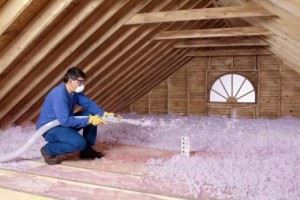
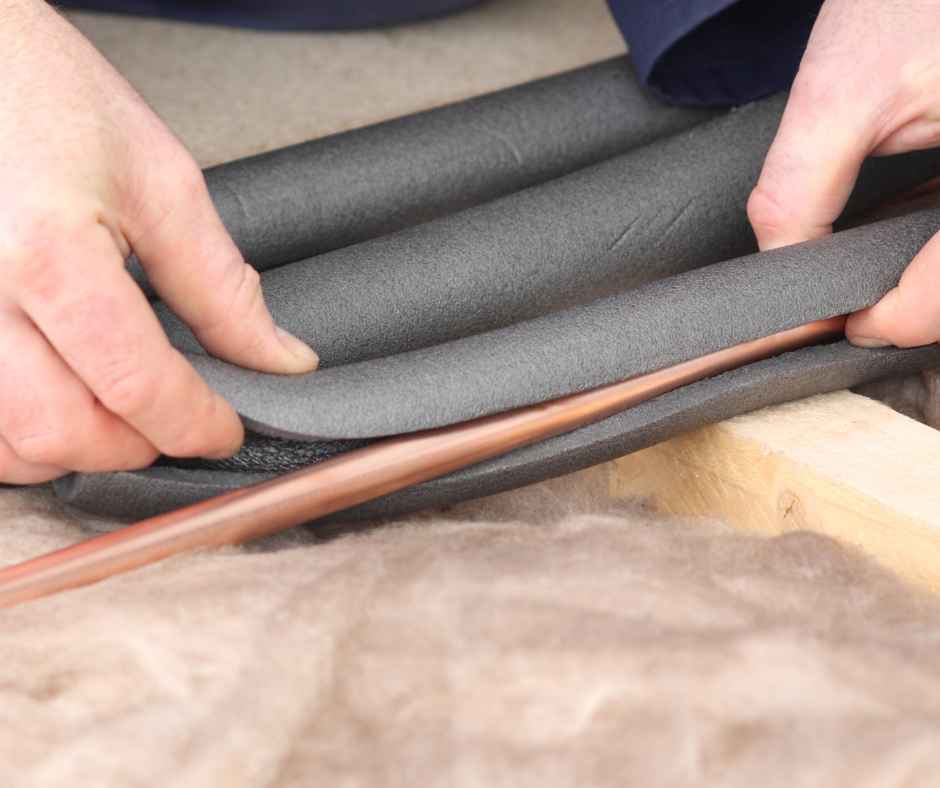
What we’re talking about is insulating your attic. It’s one of the cheapest investments you can make in your home, and one that can provide some of the highest returns.
Why Do I Need To Insulate?
A poorly insulated or ventilated attic could be costing you hundreds of dollars in energy costs every year. Think about it; shingles are dark and we all know dark objects absorb more light. That means your shingles are absorbing the sun’s light in addition to the heat from outside. These two combined can cause your attic to get up to 150 degrees during the dog days of summer. Without proper insulation between the attic and the rest of the house, that heat will eventually sneak down into your home, causing your home’s temperature to rise.
The warmer your home, the more your air conditioner has to run to keep it cool, which is both hard on the unit and hard on your wallet. In the winter, not having a properly sealed attic can mean the heat from your home will rise into and through the attic before escaping to the outside. Essentially, this means you’ll be paying to heat an area you are never even in!
How Do I Know If My Attic Isn’t Properly Insulated?
For those of you who are on the fence when it comes to the decision on whether you even need to insulate or not, there is a simple math equation to help to decide. The ability of insulation to resist the flow of heat from your attic to your living area is measured by what’s called it’s “R-value.” The specialists at R.S. Andrews can help you figure out what your attic’s R-value is. The higher the R-value of your insulation, the better it is at preventing heat transfer. The EPA recommends attics be insulated at an R-value of 26 or higher.
What Are My Options?
Luckily for you, there are many different forms of insulation on the market today, ranging from high-tech solar panels to applications as simple as spray foams. The most common choice in homes is the use of structural insulated panels (SIPs), but the type of insulation you use is usually based upon what type of attic you have.
Mixing several types of insulation is also a popular option, as it allows you to customize your home’s insulation solution – for example, blowing a layer of loose batting over a layer of rolled batting batting on at attic joist can help prevent heat from entering your home by lowering the amount of heat transfer the joist permits. When mixing different types of insulation in one area, just be careful with any reflective surfaces and make sure they don’t wind up sandwiched between insulation layers.
While we have previously discussed other ways to help you save money on your air conditioning and heating costs, insulating can be one of the best. The right insulation in your attic can reduce your energy costs by 20 to 60 percent annually. Now that’s a real return on investment! If you have any questions about the best insulation solutions for your home’s attic, give us a call at R.S. Andrews and we’ll be happy to talk with you about all your insulating options.
Heater on the fritz? Frustrated with plumbing problems? R.S. Andrews is just a call away!