Mega AC Tune Up FOR $99! BOOK NOW


Emergency HVAC Services: What to Do When Your System Breaks Down
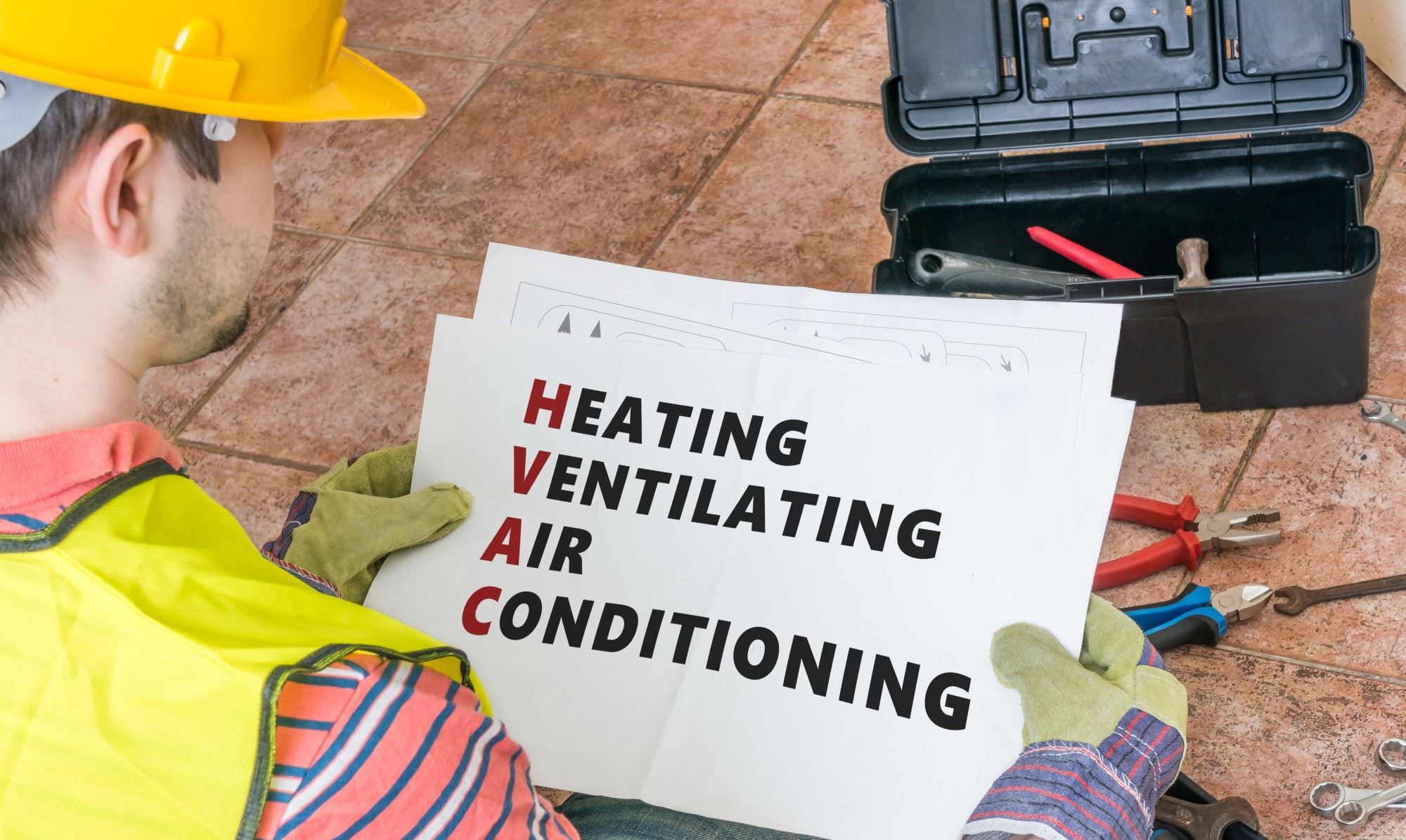
Are you currently facing the frustration of a sudden HVAC system breakdown? Don’t worry, you’re not alone. At R.S. Andrews, we understand the urgency and stress of unexpected heating or cooling issues.
When your HVAC system breaks down, the key is to keep calm and evaluate the situation. Start by troubleshooting common issues such as power connections, thermostats, and other components. Once you’ve ruled out minor fixes, it’s time to inspect the fundamentals, including air filters and ventilation systems. But don’t worry if these initial steps don’t yield results. Our team of emergency HVAC techniciansat R.S Andrews is always ready to provide prompt and professional assistance.
If you’re ready to regain control of your home comfort, don’t hesitate to at R.S. Andrews by dialing (470) 264-8128. Throughout this post, we’ll guide you through the steps to take when your HVAC system breaks down, ensuring you know exactly what to do in an emergency.
Keep Calm and Evaluate
When your HVAC system suddenly stops working, it’s easy to panic. However, the first step is to stay calm and evaluate the situation. This doesn’t just mean keeping your cool emotionally; it also means thinking about how to keep your home as comfortable as possible while figuring out the problem. Here’s how to start:
Check the thermostat
Sometimes, the issue is as simple as the thermostat being off or set incorrectly. Make sure it’s turned on and put to the suitable mode (heating or cooling) for the current season.
Listen for unusual noises
Odd sounds from your HVAC unit could be a clue to what’s wrong. A buzzing or rattling noise might indicate a minor issue, while a loud bang could suggest something more serious.
Notice any strange smells
A burning smell could mean an electrical problem, while a musty odor might suggest mold within the system. Identifying these smells early can help pinpoint the issue.
Feel for airflow
Check different rooms for consistent airflow. If some rooms are getting air and others aren’t, the problem might be the ducts rather than the HVAC unit itself.
Consider the age of your system
If your HVAC system is older, it may be more prone to breaking down. Knowing its age can help determine whether a repair or replacement is necessary.
Taking these initial steps helps you better understand the problem with your HVAC system. It also provides valuable information you can share with a professional if it comes to that. Remember, the goal here is to gather as much information as possible without making the situation worse. So, avoid tinkering with the system’s internal parts if you’re not sure what you’re doing, and prepare to describe the problem accurately to an expert if needed.
Try to Troubleshoot
After you’ve taken a moment to calmly assess the situation, the next step is to try some basic troubleshooting. This can sometimes resolve simple issues without the need for a professional. Here are a few things you can do:
Ensure the power is on
Check your HVAC system’s power source. Make sure the unit is plugged in, and the circuit breaker hasn’t tripped. If you find a tripped breaker, reset it and check if the system starts working.
Examine the thermostat settings
Double-check that the thermostat is set to the correct temperature and is in the appropriate mode (heat for winter, cool for summer). A wrong setting can make it seem like there’s a problem with the HVAC when there isn’t.
Inspect the air vents
Make sure all air vents are open and unobstructed. Furniture, curtains, or rugs blocking the vents could restrict airflow, affecting the system’s efficiency.
Check the outdoor unit
If it’s safe and accessible, take a look at the outdoor unit. Remove any debris, such as leaves or branches, that might be blocking airflow.
Reset the system
Sometimes, simply resetting the HVAC system can fix the issue. Turn the system off at the thermostat, wait for a few minutes, and then turn it back on.
These troubleshooting steps tackle common problems that can sometimes be easily fixed. However, if, after trying these steps, your HVAC system still isn’t functioning correctly, it might be time to move on to more specific measures.
Inspect the Fundamentals
After trying some basic troubleshooting without success, it’s time to delve deeper and inspect your HVAC system’s fundamentals. These checks are slightly more detailed but still within the capability of most homeowners. They focus on ensuring that the core components of your system are in good working order or identifying if one of them might be the source of your problem. Here’s what to look at:
Air Filter Condition
A dirty or clogged air filter can severely impact your HVAC system’s efficiency, reducing airflow and even causing it to shut down. Locate your air filter and examine it. If it’s covered in dust and debris, it’s time for a replacement. A clean filter helps your system run smoothly and improves indoor air quality.
Thermostat Wiring
While handling the thermostat, check if all wires are securely connected. Loose wiring can disrupt the communication between your thermostat and the HVAC system. However, be cautious; it might be best to wait for a professional if you need clarification on handling electrical components.
Condensate Drain Line
HVAC systems produce condensation, which is removed through the condensate drain line. If this line becomes clogged, it can cause water to back up into the system or your home, leading to potential damage. Check the line for blockages and clear it if you can. Some systems have a safety switch that turns off the unit if a clog is detected.
Check for Ice
If you’re dealing with an air conditioner issue, inspect the outside unit for signs of ice buildup. Ice can form on the coils if the system is low on refrigerant or has inadequate airflow. If you find ice, turn off the system to let it thaw. Remember, dealing with refrigerant or internal system issues is a job for air professionals. Understanding why you might need AC maintenanceis crucial in identifying and addressing these problems before they escalate.
Ductwork for Leaks or Blockages
Compromised ductwork can lead to significant loss of efficiency and uneven heating or cooling. If you can access your ducts, inspect them for any visible signs of leaks, such as holes or tears, and feel for air escaping. Also, ensure that vents and registers throughout your home are open and unobstructed.
Replace the Air Filter
Once you’ve inspected the fundamental components of your HVAC system, it’s crucial to address one of the most straightforward yet impactful maintenance tasks: replacing the air filter. This seemingly minor step can have a significant impact on the overall efficiency and performance of your system.
Air filters are crucial in trapping dust, pollen, pet dander, and other airborne particles, preventing them from circulating throughout your home. Over time, however, these filters become clogged with debris, restricting airflow and causing your HVAC system to work harder to maintain your desired temperature.
You can ensure optimal airflow and efficiency by replacing the air filter regularly, typically every 1 to 3 months, depending on factors like filter type and household conditions. This helps your HVAC system run more smoothly and improves indoor air quality, reducing allergens and pollutants in your home.
When replacing the air filter, be sure to choose the correct size and type for your system. Most filters indicate the size directly on the frame or packaging, making it easy to find a suitable replacement. Additionally, consider upgrading to a high-efficiency filter, such as HEPA or MERV-rated filters, for improved filtration and air quality.
Contact an HVAC Professional
If you’ve tried troubleshooting on your own and inspected the fundamentals of your HVAC system without success, it’s time to bring in the experts. An HVAC professional like those at R.S. Andrews can provide the knowledge, experience, and tools needed to diagnose and repair your system efficiently and effectively. Whether you’re facing a sudden breakdown or considering preventative maintenance, you might need an HVAC service planto ensure your system operates smoothly year-round.
Our team at R.S. Andrews is dedicated to ensuring your home’s comfort and safety, and we understand the unique challenges homeowners face with their HVAC systems in the Atlanta, Georgia, area. Whether it’s a minor repair, a complete system replacement, or choosing the right HVAC contractor, you can trust us to deliver exceptional service and results.
Don’t let a malfunctioning HVAC system disrupt your comfort any longer. Contact R.S. Andrews today at (470) 264-8128 and experience the difference with our expert team. Let us take care of your HVAC needs so you can enjoy peace of mind and comfort in your home.
Heater on the fritz? Frustrated with plumbing problems? R.S. Andrews is just a call away!