Mega AC Tune Up FOR $99! BOOK NOW


How to Calculate Pipe Size in Plumbing
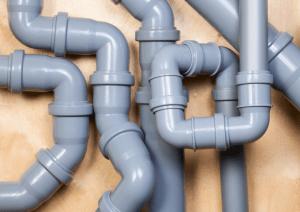
So, you’re knee-deep in a plumbing project, armed with wrenches and determination, ready to tackle that leaking faucet or overhaul your home’s plumbing system. But before you dive headfirst into the world of pipes and fittings, there’s a crucial detail to figure out: how to calculate the right pipe size. Don’t worry; we’ve got your back. In this guide, we’re going to unravel the mystery of pipe sizing in plumbing, step by step.
1. Study the Blueprint
Before you start measuring pipes or cutting through walls, it’s vital to understand the lay of the land. By this, we mean mapping out your plumbing system. Grab a pen and paper, draw a rough sketch, and identify the key components: water sources, fixtures, and connections. This visual roadmap will be your guiding star through the sizing journey.
2. Determine the Water Flow Rate
Now, let’s talk about the heartbeat of your plumbing system – water flow rate. It’s the amount of water that flows through your pipes in a given time. To calculate this, you’ll need a water flow meter or some good old-fashioned bucket and stopwatch action. Time how long it takes to fill a 5-gallon bucket from a faucet, and voila, you’ve got your flow rate.
3. Know the Frictional Resistance
As water flows through pipes, it encounters resistance, also known as frictional resistance. Imagine a river flowing through a narrow gorge; it’ll naturally slow down due to friction with the banks. Similarly, pipes have their own frictional resistance, determined by their material and size. You’ll need to factor this in, and it’s where things get a bit technical.
4. Consider Pipe Materials
Different pipes are made of different materials, and each has its own frictional resistance. Copper, PVC, and PEX pipes, for instance, offer varying degrees of friction. The material you choose will affect the flow rate. So, when you’re calculating pipe size, take this into account.
5. Measure the Pipe Length
Next up, consider the length of your plumbing system. Longer pipes create more friction, which can impact your flow rate. So, measure the distance your water needs to travel and factor it into your calculations.
6. Use the Formula for Pipe Size Calculation
Now, for the moment of truth. How do you actually calculate the right pipe size? You’ll need a formula called the Darcy-Weisbach equation. But fret not, we won’t leave you hanging.
Here’s the simplified version:
Pipe Size = (Flow Rate × Frictional Resistance) / (Length × √(2 × Gravity))
Plug in the values into the formula and calculate the pipe size. The result will be the required pipe size in inches (the standard unit for pipe sizing).
Keep in mind that this calculation provides a theoretical pipe size. In practice, you may need to round up to the nearest available pipe size to ensure proper flow and pressure.
It’s essential to consider local building codes and regulations, as they may dictate specific pipe size requirements for your area.
7. Seek Professional Guidance
Calculating pipe size is no walk in the park, and it’s okay to feel a bit overwhelmed. If your project is extensive or you’re in uncharted plumbing territory, it’s wise to seek professional guidance. Plumbing experts like R.S. Andrews can analyze your specific needs and ensure your pipes are sized correctly.
Additional Factors to Consider
Pipe Fittings and Joints:
In plumbing, it’s not just about the pipes themselves; fittings and joints play a pivotal role too. Learning about different types of fittings, like elbows, tees, and couplings, can help you design a more efficient and leak-resistant plumbing system. Properly sealed joints are essential to prevent water leakage and ensure the system’s integrity.
Pressure Considerations:
Understanding the pressure requirements of your plumbing system is crucial. Different fixtures and appliances may require varying water pressures to function optimally. Knowing the ideal pressure range for your specific setup can help you select the right pipe size to maintain consistent water pressure throughout your home.
Maintenance and Inspections:
Regular maintenance and inspections are vital for keeping your plumbing system in good shape. Periodically checking for leaks, corrosion, or signs of wear and tear can help you catch issues early and prevent costly repairs down the road. Knowing how to perform basic inspections and when to call in a professional can save you time and money.
FAQs
Why is it essential to calculate the right pipe size?
Calculating the right pipe size is crucial because it ensures efficient water flow and proper pressure in your plumbing system. Incorrect sizing can lead to reduced water pressure, uneven water distribution, and potential plumbing issues.
How can I determine the flow rate of my plumbing system?
To determine the flow rate, fill a container of known volume (like a 5-gallon bucket) with water from a faucet. Measure the time it takes to fill the container completely. Divide the volume (in gallons) by the time (in seconds) to get your flow rate in gallons per minute (GPM).
Can I mix different pipe materials in my plumbing system?
While it’s generally not recommended to mix different pipe materials in the same plumbing system, it’s possible with proper adapters and connectors. However, it can complicate future repairs and maintenance. Consult a plumber for advice on compatibility and best practices.
How often should I check my plumbing system for leaks or issues?
Regular inspections are crucial to catch problems early. Perform visual checks for leaks, corrosion, or unusual sounds periodically. Additionally, consider scheduling a professional plumbing inspection every 1-2 years to identify hidden issues.
Can I use flexible pipes like PEX for my plumbing system?
Yes, PEX (cross-linked polyethylene) pipes are a flexible and popular choice for plumbing systems. They are known for their durability, resistance to corrosion, and ease of installation, especially in areas with temperature fluctuations. Consult with a professional plumber to determine if PEX is suitable for your project.
How do I choose the right pipe size for a specific fixture or appliance?
Each fixture or appliance may have different flow rate requirements. Refer to manufacturer specifications for the recommended flow rates and pipe size for your fixtures. Match the required flow rate with the calculated pipe size for optimal performance.
What should I do if I suspect a plumbing issue but can’t identify the source?
If you suspect a plumbing issue but can’t locate the source, it’s best to contact a professional plumber. They have the tools and expertise to diagnose and address hidden or complex plumbing problems efficiently.
Remember, when in doubt or dealing with a plumbing project beyond your comfort level, it’s always wise to seek professional guidance to ensure the safety and functionality of your plumbing system.
Let R.S. Andrews Be Your Plumbing Partner
There you have it – the lowdown on calculating pipe size in plumbing. It’s a critical step to ensure your water flows smoothly and efficiently throughout your home. Remember, the right pipe size can save you from a world of plumbing headaches down the line.
If you’re ever in doubt or need a helping hand, R.S. Andrews is here for you. Our team of experts has years of experience in plumbing and can assist you in making sure your pipe sizing is spot-on. today for all your plumbing needs, and let us be your trusted plumbing partner. Happy plumbing!
Heater on the fritz? Frustrated with plumbing problems? R.S. Andrews is just a call away!